Roof Replacement Succasunna, NJ: Pros and Cons of Popular Roofing Options
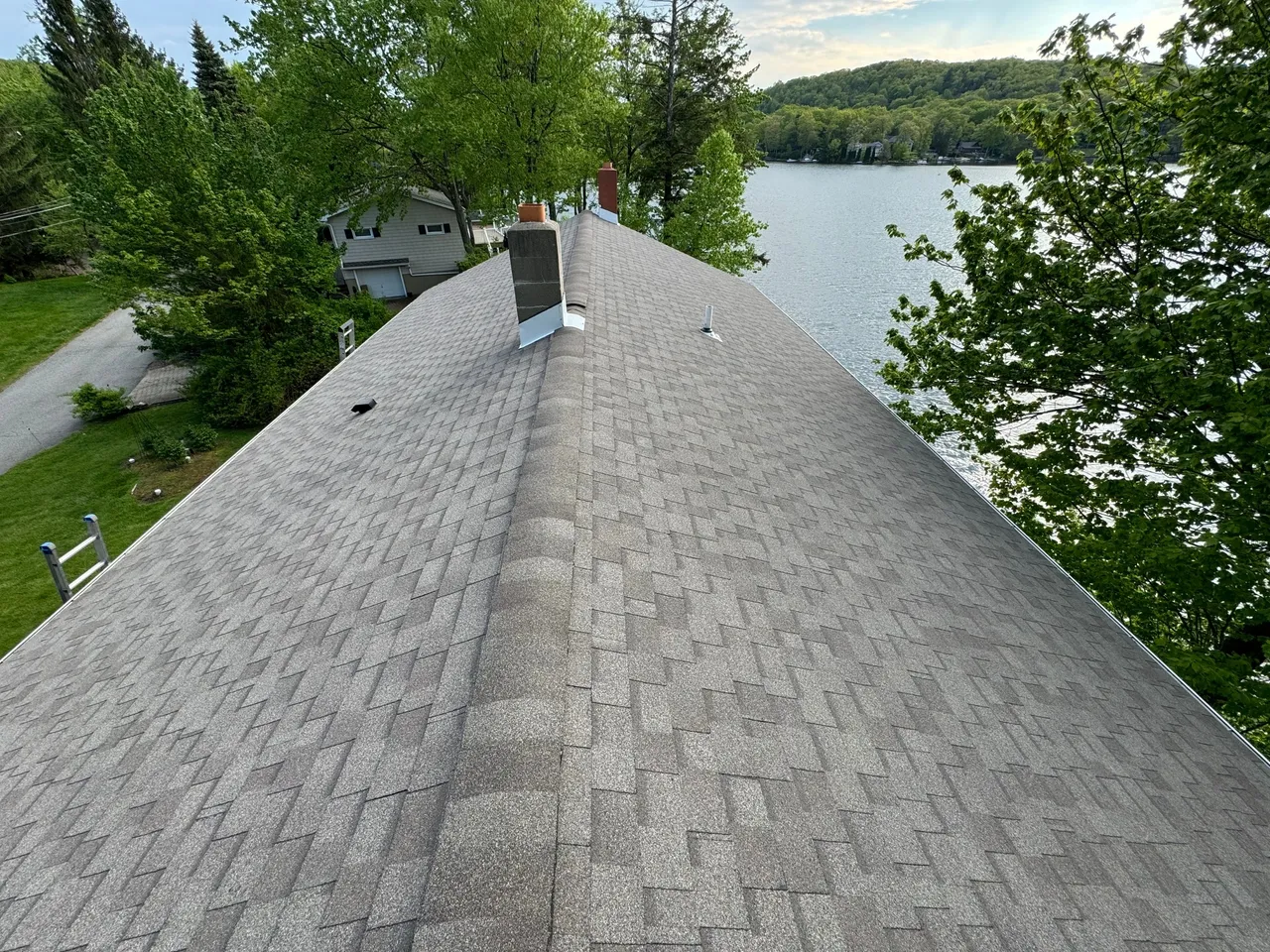
Replacing a roof in Morris County is rarely a purely cosmetic decision. In Succasunna, where winters bring snow load, spring can expose flashing failures, and summer heat can punish poorly ventilated attics, the right roofing material has to do more than look good from the street. It has to hold up through freeze-thaw cycles, shed water cleanly, handle wind-driven rain, and make sense for the age and style of the home beneath it.
That is why conversations about Roof Replacement Succasunna, NJ usually get practical very quickly. Homeowners may start with color and curb appeal, but the real questions are about lifespan, repairability, maintenance, noise, cost, and whether a roof will perform well on the specific pitch and geometry of the house. A simple ranch with broad roof planes calls for different decision-making than a steep colonial with dormers, valleys, and chimney penetrations.
I have seen people spend too much because they bought a premium product they did not actually need. I have also seen the opposite, where a low upfront number led to years of nuisance repairs, moisture staining, and ice dam issues. The best roofing choice usually lives in the middle ground between ideal and practical. It respects the budget, the house, and the local climate.
What makes roofing decisions different in Succasunna
Roofing advice from national articles can be too broad to be useful. Succasunna has a mix of older homes and newer developments, mature trees in many neighborhoods, and weather that stresses roofs in predictable ways. Moss and algae can appear where shade lingers. Gutters fill with oak leaves and maple seeds. Snow sits longer on north-facing roof sections. Flashing around chimneys and skylights tends to show its age before the main field shingles do.
That local context matters. A material that performs beautifully in a dry, low-humidity climate may not give the same value here. Likewise, a premium system on paper may disappoint if the installer cuts corners on underlayment, ridge venting, or step flashing. Roof replacement is not just about material selection. It is a system, and every component has to work together.
Homeowners shopping for Roof Replacement Succasunna, NJ also need to weigh the architecture of the home. Heavy materials may require structural review on some houses. Certain products look out of place on modest suburban homes, even if they perform well. Others can enhance the appearance while still keeping the project in a realistic price range.
Asphalt shingles, still the default for a reason
Asphalt shingles remain the most common roofing option in Succasunna, and that is not an accident. For many homes, they strike the best balance between cost, appearance, installation flexibility, and expected service life.
Architectural shingles, sometimes called dimensional shingles, have largely replaced old three-tab products on replacement jobs. They offer better wind resistance, a more textured appearance, and typically longer warranty terms. On most standard suburban homes, they look appropriate and can complement everything from beige vinyl siding to painted cedar shakes and brick fronts.
Their biggest strength is value. A properly installed asphalt shingle roof can deliver solid performance for a moderate investment. Repairs are usually straightforward if storm damage affects a limited area. Replacement parts are easier to source than with more specialized materials. Most roofing crews are highly experienced with the product, which matters more than many homeowners realize.
The trade-offs are real, though. Asphalt shingles do not last as long as metal, slate, or high-end synthetic systems in ideal conditions. They can degrade faster on roofs with poor ventilation or persistent heat buildup. Granule loss is normal with age, but when it accelerates, so does the roof’s decline. Algae streaking can also become a cosmetic issue on shaded slopes, especially if algae-resistant shingles were not selected.
There is also a difference between good asphalt and cheap asphalt. On estimates, two roofing systems can sound similar while performing very differently over time. The thickness of the shingle, the type of underlayment, the quality of starter strips, and the ridge cap all matter. A low bid often trims money from places homeowners cannot easily see from the ground.
For many households in Succasunna, asphalt remains the sensible choice, especially when the goal is dependable performance without stretching the budget into premium territory.
Metal roofing, strong performance with a different set of expectations
Metal roofing gets more attention today than it did a decade ago, and some of that interest is well deserved. It is durable, lightweight compared with slate or tile, and highly effective at shedding snow and rain. On the right home, it can look crisp, clean, and architecturally sharp.
In this region, standing seam metal roofs tend to generate the most serious interest among homeowners planning to stay long term. They resist fire, handle harsh weather well, and can last several decades when installed correctly. Snow tends to slide more readily from metal than from asphalt, which can be an advantage, though it may also require snow retention systems in some situations to control large sheets of snow dropping over walkways or landscaping.
The main obstacle is cost. Metal roofing usually comes in well above asphalt, and not every homeowner will recover that premium in resale value. The visual style can also be polarizing. On some homes, especially those with traditional suburban architecture, metal can feel more assertive than intended. It often suits farmhouses, contemporary homes, and certain custom builds better than it suits every street in town.
Noise is often misunderstood. Many people imagine a loud drumming effect during rain, but on a properly installed residential system over solid decking and underlayment, noise levels are usually far less dramatic than expected. The bigger concern, in my experience, is installer skill. Metal roofing is less forgiving than asphalt. Panel alignment, flashing details, movement allowances, and trim work all need precision. A sloppy metal roof can create expensive headaches even if the material itself is excellent.
Metal also behaves differently around roof penetrations. Skylights, plumbing stacks, chimneys, and intersecting roof lines need careful detailing. Homes with very complex roof geometry can drive labor costs up quickly, sometimes enough to make the value proposition less attractive.
If a homeowner wants longevity, reduced maintenance, and a roof that can handle the climate with confidence, metal is worth a serious look. It simply has to be matched to the house, the budget, and the installer’s expertise.
Cedar shake, beautiful when it is right, demanding when it is not
Cedar has a look that few manufactured materials can truly replicate. On certain homes, especially older colonials, cottages, and custom properties with natural landscaping, cedar shake can give warmth and character that make the entire exterior feel richer.
That beauty comes with conditions. Cedar is not a set-it-and-forget-it roof, particularly in a climate that sees moisture, leaf debris, and periods of snow cover. It needs airflow. It benefits from maintenance. It performs best when surrounding trees are managed so the roof can dry out rather than stay damp after storms.
The advantages are not only aesthetic. Cedar has natural insulating value and can perform very well when installed over an appropriate assembly. It is also lighter than slate and has a distinct texture that softens the appearance of a house in a way asphalt cannot fully match.
But cedar’s weaknesses are significant enough that many homeowners rule it out once they understand the upkeep. Moss growth, splitting, cupping, and rot can all become issues if the roof stays shaded and wet. Fire rating is another area that requires careful attention, depending on the specific product and treatment. Insurance implications may also come into the conversation.
In Succasunna, cedar tends to make sense for homeowners who are committed to the look and willing to care for it properly. It is not the best choice for someone who wants low maintenance, has heavy tree coverage, or plans to move in a few years and simply needs a practical replacement.
Slate, the premium traditional option
Natural slate occupies a different category altogether. It is elegant, long-lived, and unmistakable. On the right home, especially a historic or high-end property, slate can look completely at home in a way few other materials can match.
Its reputation for durability is deserved, but slate is not a universal answer. The material is heavy, often significantly heavier than asphalt. Before replacing a roof with slate, or even replacing old slate with new slate, the structure may need evaluation to confirm it can safely carry the load. Not every home in Succasunna was built with that in mind.
Slate also demands specialized labor. This is not an area where a homeowner should assume any roofer can switch from asphalt to slate and deliver the same quality. Fastening methods, flashing integration, tile selection, and repair techniques require a different skill set. The labor pool is smaller, and that affects both availability and pricing.
Repairs, while often possible, can be more specialized and more expensive than repairs on asphalt roofs. If a branch cracks several pieces or flashing near a dormer fails, the fix needs someone who understands slate systems rather than just shingles.
For homeowners who plan to stay for decades, own a house that deserves the material visually, and are prepared for the investment, slate can be exceptional. For most typical suburban replacement projects, it is more roof than the house or the budget requires.
Synthetic roofing, a growing middle ground
Synthetic roofing products have improved noticeably over the years. Some are designed to mimic slate, cedar shake, or tile while reducing weight and, in many cases, lowering installation complexity. Not all synthetic products are equal, but the better ones have become a legitimate category rather than a novelty.
This option often appeals to homeowners who love the look of cedar or slate but do not want the cost, weight, or maintenance concerns of the real thing. On paper, synthetic roofing can Roof Replacement Succasunna, NJ solve several problems at once. It can provide a premium appearance, better impact resistance in some products, and less structural stress than stone or clay.
Still, it pays to read the fine print. Long-term performance histories vary by manufacturer. Some products have excellent reputations, while others have had issues over time with fading, brittleness, or inconsistent appearance. Since these systems are newer relative to asphalt or slate, there may be fewer local roofs to inspect that have already aged twenty or thirty years in conditions similar to those in Succasunna.
The installation crew matters here just as much as the product. A synthetic roof may look like slate or shake, but it often has its own fastening pattern, accessory system, and ventilation recommendations. Homeowners considering Roof Replacement Succasunna, NJ with synthetic materials should ask to see nearby installations and ask detailed questions about how long the contractor has worked with that exact brand.
Flat and low-slope sections deserve special attention
Even homes that appear to have conventional pitched roofs sometimes include low-slope areas over porches, additions, bays, or rear sections. These spots are where roofing failures often begin, because homeowners and sometimes even contractors treat them like standard shingle areas when they should not.
Low-slope sections generally need a membrane-based solution or another product specifically rated for the pitch. Water drains more slowly there. Ice can linger longer. Debris accumulates faster. These conditions increase the chance of leaks if the wrong material is used or if flashing transitions are handled casually.
I have seen more than one roof replacement where the main shingle field looked great, but the shallow rear addition leaked within a couple of winters because the product choice was borderline from day one. A successful project accounts for every roof plane, not just the largest visible surface from the front curb.
The hidden parts of the roof that affect performance more than people expect
Homeowners naturally focus on the surface material, but the hidden layers often determine whether a roof feels trouble-free or frustrating. Ventilation is a prime example. A roof that cannot breathe properly tends to age faster, and the attic beneath it may run hotter in summer and trap moisture in winter.
Flashing is another make-or-break detail. Chimneys, sidewalls, valleys, plumbing stacks, and skylights are the places where leaks usually begin, not the open middle of a roof plane. A contractor who reuses tired flashing to shave costs may leave the homeowner with a shorter path to water intrusion.
Underlayment matters too. In this climate, ice and water protection around eaves, valleys, and vulnerable penetrations is not a luxury. It is part of building a roof that stands up to freeze-thaw weather. Deck condition also matters. If plywood or boards are soft from prior leaks, they need replacement before the new roof goes on. Installing premium shingles over compromised decking is like putting new tires on a car with bent rims.
Matching material to homeowner priorities
Most roofing decisions become clearer when homeowners are honest about what they want from the project. The ideal roof for a family planning to stay five years is not always the ideal roof for a couple intending to age in place for twenty-five. Likewise, a rental property does not need the same design logic as a forever home.
A useful way to think about it is to weigh a few practical priorities:
- If budget control is the main concern, architectural asphalt usually offers the strongest balance of cost and performance.
- If long-term durability with lower maintenance matters most, metal often rises to the top.
- If character and natural beauty outrank convenience, cedar may justify its upkeep.
- If the house is architecturally significant and the budget allows, slate can be the right fit.
- If appearance matters but weight and maintenance are concerns, quality synthetic products deserve consideration.
Those are broad tendencies, not rigid rules. A heavily shaded property may push cedar down the list. A complex roof with many dormers may reduce the appeal of certain metal systems. A homeowner sensitive to upfront cost may still choose a premium product if they know they do not want to reroof again in retirement.
Questions worth asking before signing a contract
A roof estimate should do more than give a square-foot price and a shingle color. It should tell you how the contractor plans to build the system, what gets replaced, and how site conditions will be handled. In Roof Replacement Succasunna, NJ projects, the details often separate the fair proposal from the expensive mistake.
Ask what happens if damaged decking is found once tear-off begins. Ask whether old flashing will be replaced or reused. Ask how attic ventilation is being evaluated rather than assumed. Ask what product will be used in valleys and at eaves. If the home has skylights, ask whether the existing units are staying and, if so, how they will be re-flashed. If the gutters are older, ask whether the new drip edge will integrate cleanly with them.
It is also worth asking who will actually perform the installation. Sales presentations can be polished while the field crew remains a mystery. Roofing is still a craft job. The crew’s discipline, supervision, and familiarity with the chosen material affect the outcome every bit as much as the brochure.
When the cheapest option becomes the expensive one
The roofing industry sees plenty of price shopping, which is understandable. Replacement is a major expense, and no homeowner wants to overpay. But there is a point where a low bid stops being efficient and starts being risky.
A number that comes in dramatically below the others often reflects corners that will not be obvious until the roof is under stress. Shortcuts may include fewer ice protection areas, lighter underlayment, weak ventilation planning, poor cleanup, or minimal flashing replacement. Sometimes the difference is simply workmanship standards. A roof can look decent on day one and still be set up for premature problems.
That does not mean the highest price is automatically justified. It means the homeowner should compare scope, not just totals. Two estimates can differ by several thousand dollars while describing very different roofs.
The best roofing option is the one that fits the whole house
There is no single roofing material that wins every category. Asphalt offers broad practicality. Metal brings longevity and weather performance. Cedar adds warmth and distinction. Slate delivers classic permanence. Synthetic products can bridge appearance and practicality when selected carefully.
The right call depends on the home’s structure, roof shape, tree coverage, drainage patterns, ventilation, budget, and the length of time the owner expects to stay. That is why the smartest roof replacement decisions in Succasunna are rarely made from samples alone. They come from looking at the house honestly, asking good questions, and choosing a system that fits both the property and the people living under it.
A roof should not just survive the next storm. It should make sense every season after that.
Royalty Exteriors
151 NJ-10 Suite 103A, Succasunna, NJ 07876, United States
+1 973-333-7234
FAQ About Roof Replacement Succasunna, NJ
What are signs a roof needs replacing?
Widespread shingle deterioration, repeated leaks, or damaged decking can point to a larger problem. A roofer can inspect the roof covering, flashing, and deck to determine whether the damage is localized or whether replacement makes more sense.
How long does it take to reroof a 2000 square foot house?
Royalty Exteriors estimates one to three days for many single-family roof replacements. A house’s floor area does not tell you the actual roof area. Pitch, roof features, weather, and any decking repairs can change the schedule.
How long should a roof last in NJ?
There is no single lifespan for every roof. Material, installation quality, attic ventilation, maintenance, and exposure to storms all affect how long a roof remains serviceable. An inspection can help you assess its condition and plan for replacement.