Roof Replacement Succasunna, NJ: Understanding Warranties and Coverage
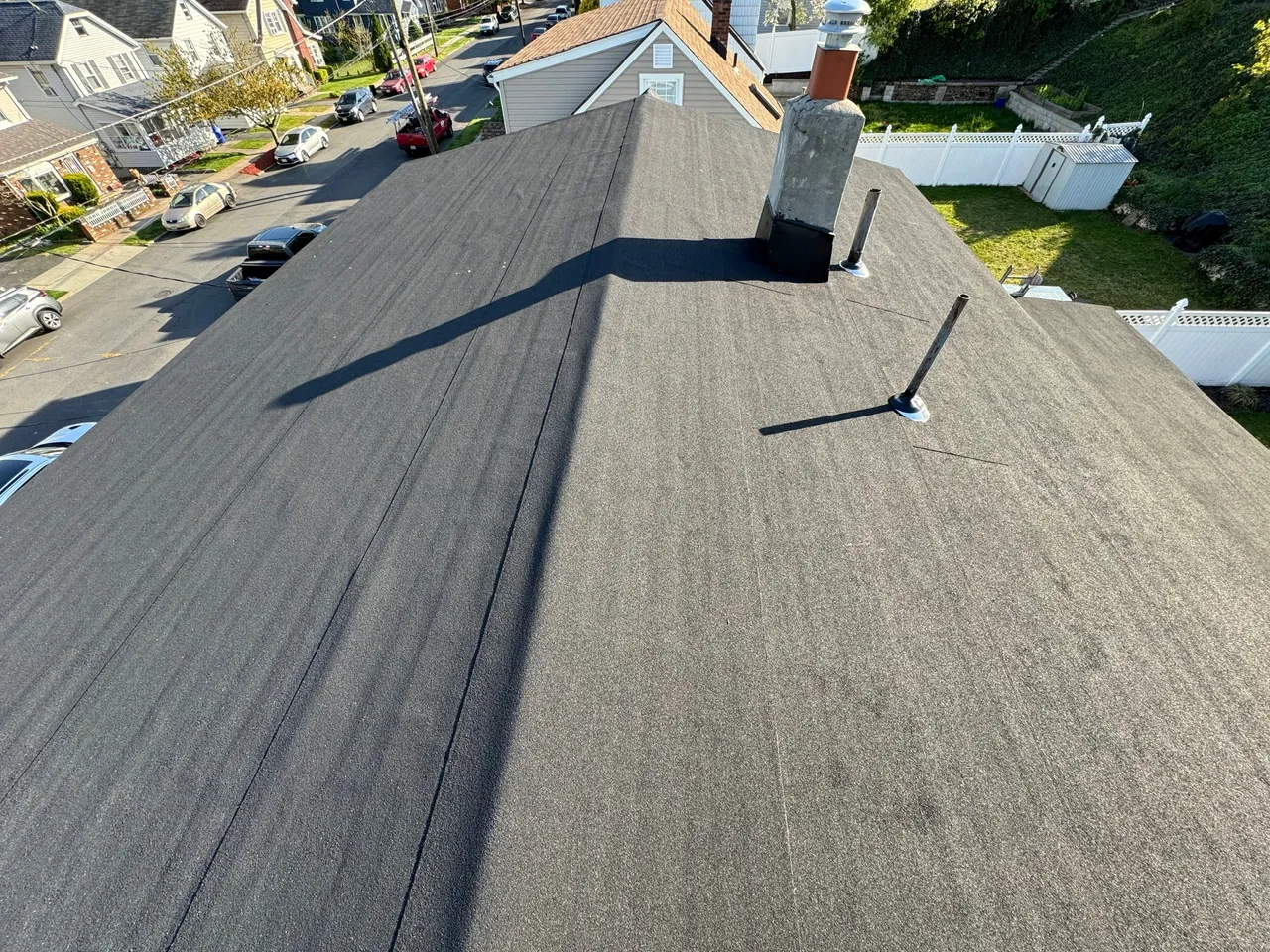
A new roof is one of the largest investments most homeowners in Morris County make outside of the house itself. It is also one of the least understood, especially when the conversation turns from shingles and flashing to paperwork. Homeowners often focus on color, price, and project timeline, then discover later that the real value of a roof replacement may depend just as much on the warranty as the materials overhead.
That matters in Succasunna, where roofs take a steady beating. Winter snow loads, freeze-thaw cycles, heavy spring rain, summer humidity, and the occasional wind-driven storm all test the performance of a roofing system. A roof can look good on installation day and still fail early if the attic is poorly ventilated, flashing details are rushed, or the product is not installed to the manufacturer’s standard. When that happens, the first question is rarely about aesthetics. It is about coverage.
Homeowners searching for Roof Replacement Succasunna, NJ services are often surprised to learn that there is no single “roof warranty.” There are usually several layers of protection, each with different rules, exclusions, and time limits. Understanding those layers before signing a contract can save a lot of frustration later.
A roof warranty is not one thing
In practice, a roof replacement may involve three distinct forms of protection. One comes from the manufacturer, another from the contractor, and a third may come through special enhanced programs tied to certified installers. These are not interchangeable.
A manufacturer’s warranty typically covers defects in the roofing materials themselves. If shingles were made improperly, if granule loss is abnormal, or if the product fails because of a manufacturing issue, that warranty may respond. It generally does not cover poor installation. If the roof leaks because step flashing was omitted around a chimney or a valley was woven incorrectly, the manufacturer is likely to point back to the installer.
A contractor’s workmanship warranty covers installation-related problems. This is the part that protects you if the crew made an error, used the wrong fasteners, failed to seal vulnerable areas, or ignored a detail that later caused leaks. The quality of this warranty depends entirely on the company standing behind it. A ten-year workmanship warranty from a stable local roofer with a solid track record is usually worth far more than a flashy promise from a company that may not be around in two years.
Then there are upgraded system warranties. These are often available only when a roofing contractor has a certain manufacturer certification and installs a full roofing system, not just shingles. In many cases that means shingles, underlayment, starter strips, hip and ridge products, and ventilation components from the same brand. These warranties can be valuable because they may provide broader non-prorated periods or include workmanship coverage backed by the manufacturer rather than only the installer.
The key point is simple: when a homeowner asks, “What’s the warranty?” the useful answer should never be one sentence long.
Why local conditions in Succasunna matter
Warranty language can feel abstract until you connect it to local roofing conditions. In Succasunna, roof replacements are not just about surviving one bad storm. They are about repeated cycles of stress over many years.
Ice damming is a common example in northern New Jersey. Homeowners sometimes assume an ice-related leak means the shingles failed. In reality, the problem may trace back to insulation gaps, poor attic airflow, or improper underlayment in eave areas. A material warranty may not cover that. A workmanship warranty might, if the contractor failed to install required protection in vulnerable sections. If Roof Replacement Succasunna, NJ attic conditions inside the home caused the issue, coverage may become even more complicated.
Wind is another gray area. Many shingle products advertise wind resistance, but those ratings come with conditions. The number of nails, placement pattern, starter strip use, and proper sealing all matter. If a roof loses shingles after a storm, the manufacturer may ask whether the installation met specifications. If it did not, the claim can fail. From the homeowner’s perspective, that can feel unfair. From a warranty perspective, it is standard.
That is why Roof Replacement Succasunna, NJ homeowners should think less about “the warranty” as a marketing feature and more as a chain of responsibility. Every link in that chain matters.
The language that confuses homeowners most
Roofing warranties are packed with phrases that sound reassuring until you slow down and parse them. “Lifetime” is the classic example. Many homeowners hear “lifetime” and assume full protection for as long as they own the home. Sometimes that is partly true. Often it is true only in a limited way.
A lifetime limited warranty usually means the product is covered for a defined ownership period under specific terms, with exclusions, transfer limitations, and changing reimbursement formulas over time. During an early non-prorated period, the manufacturer may cover more of the replacement cost if the product is defective. After that period, coverage often decreases. Labor may be excluded unless an upgraded warranty applies.
“Limited” is doing a lot of work in that phrase. It means the warranty does not cover every failure, every cost, or every cause of damage. It means there are conditions to keep the warranty valid. It means a claim has to fit the document, not just the homeowner’s sense of what should be fair.
“Prorated” is another term that deserves attention. If a 30-year product fails in year 20, a prorated warranty does not typically buy you a full new roof. It may provide only a percentage of material value based on age or a formula set by the manufacturer. By then, labor costs are often far higher than the material credit, so the practical recovery can be modest.
Transferability is worth checking too. If you plan to sell within a few years, a transferable warranty can help reassure buyers. But many warranties transfer only once, only within a limited window, and only if paperwork is submitted correctly. Miss the deadline, and the benefit can disappear.
What is commonly covered, and what usually is not
This is where expectations often collide with reality. A roof warranty is not a maintenance plan, and it is not homeowners insurance. It does not usually respond to storm damage the way an insurance policy does, and it does not relieve the homeowner of basic upkeep.
Most roof warranties are designed around defects or installation failures, not damage from external events. If a tree limb punctures the roof, that is generally not a warranty issue. If gutters back up and water intrudes under the roofing system, that may not be covered either. If a satellite dish installer drives fasteners through the roof and later causes a leak, coverage may be void in that area.
The most common exclusions include the following:
- storm, hail, or falling object damage
- poor attic ventilation or structural movement
- alterations by other trades or third parties
- neglected maintenance and debris buildup
- mismatch between old roof components and new work
That last point deserves a closer look. Partial roof replacements can be particularly tricky. If only one slope is replaced after damage or during a phased project, the warranty may apply only to the new materials installed, not to the older adjoining sections. Leaks do not always respect those boundaries. Water can enter in one area and show up far away, making responsibility harder to sort out.
Workmanship coverage is where the contractor earns trust
If I had to point homeowners to the single most important part of a roof replacement agreement, it would not be the shingle brand. It would be the workmanship language and the reputation of the roofer standing behind it.
A roof system is unforgiving of shortcuts. A good crew can install a mid-range shingle product properly and deliver years of reliable performance. A careless crew can mishandle premium materials and create chronic leak points on day one. That is why workmanship matters so much more than many homeowners realize.
In the field, the failures that generate callbacks are often small details. Pipe boot flashing cracks early because a cheap component was used. Counterflashing around a chimney is surface-caulked instead of properly integrated. Nails are overdriven, reducing shingle hold. Ridge ventilation is cut poorly. Drip edge is omitted or installed in the wrong sequence with underlayment. None of those issues are solved by a broad manufacturer promise if the root cause is installation error.
When reviewing a proposal, ask exactly how long the contractor covers labor related to installation defects, how claims are handled, and whether the warranty is written into the contract. Verbal assurances are worth very little when water is dripping into a bedroom during a January thaw.
A contractor with deep local experience in Succasunna should also understand the difference between what is code-compliant, what is manufacturer-compliant, and what is simply best practice. Those are not always the same thing. Smart roofers often exceed the bare minimum in vulnerable areas because they know where leaks tend to develop after several New Jersey winters.
Ventilation can make or break coverage
Ventilation does not get much attention in homeowner conversations because it is mostly invisible when the job is done right. Yet it affects both roof life and warranty standing.
Manufacturers commonly require proper attic ventilation for their warranties to remain valid. The reason is practical. Excess heat and trapped moisture can age shingles prematurely, warp roof decking, encourage mold growth, and create winter condensation problems that mimic roof leaks. If a roof looks older than it should after a few seasons, inadequate ventilation is one of the first things experienced inspectors examine.
This becomes a tense issue when a homeowner replaces the roof but not the attic setup. If the contractor does not evaluate intake and exhaust balance, or if old soffits are blocked and the new ridge vent cannot perform, the system may underdeliver. Homeowners then blame the shingles when the real issue is airflow.
That is one reason reputable contractors resist giving quick roof quotes from satellite images alone. They need to inspect not just the roof surface, but also the attic conditions, decking, penetrations, insulation patterns, and signs of previous moisture problems. A careful assessment on the front end is not sales theater. It protects both the installer and the homeowner.
The insurance question homeowners often confuse with warranty coverage
After a storm, many homeowners ask whether they should call the roofer, the manufacturer, or the insurance company first. The answer depends on what happened.
If shingles blew off during a high-wind event, that is often an insurance matter first, not a warranty claim. If water is entering around a flashing point on a relatively new roof during ordinary rain, that leans more toward workmanship. If a newer roof shows abnormal blistering or product deterioration with no obvious external cause, the manufacturer may need to be involved.
The confusion is understandable because the symptoms overlap. A leak is a leak from the homeowner’s perspective. The source of responsibility is what matters legally and financially.
Here is a practical way to separate the issues:
- sudden storm-related damage usually points to insurance
- repeated leaking at details often points to workmanship
- unusual early aging may point to ventilation or materials
- damage from neglected maintenance usually lands on the homeowner
- mixed causes may involve more than one party
Mixed-cause situations are common. A storm may expose a weakness that should not have existed, or poor ventilation may accelerate a product problem. In those cases, documentation matters. Photos from installation, attic inspection notes, material invoices, permit records, and prior repair history can all shape the outcome.
Why documentation matters more than most people think
The homeowners who have the smoothest warranty experiences are not always the ones with the most expensive roofs. They are usually the ones with the cleanest records.
Keep the signed contract, manufacturer warranty documents, proof of payment, permit information if applicable, and any change orders. Save product packaging labels if the contractor leaves them behind or ask for a material list showing exactly what was installed. If the contractor discussed ventilation upgrades, ice and water protection areas, or decking replacement allowances, make sure that appears in writing.
Take a few photos during the project if you can safely do so from the ground. Shots of underlayment, flashing work, and ventilation installation can be surprisingly useful later. If a problem appears years down the line, these images help establish what was done.
I have seen cases where a perfectly valid claim became a fight simply because no one could prove which product line was installed, whether accessories matched the manufacturer’s system requirements, or whether the homeowner had altered the roof after the work was completed. A simple file folder, physical or digital, can save hours of stress.
Red flags in warranty conversations
The way a roofing company talks about coverage tells you a lot. If the salesperson brushes off the question or responds with vague phrases like “you’re fully covered,” that is a concern. Good contractors tend to explain limits as clearly as they explain benefits.
Another red flag is a warranty that sounds exceptionally long but is disconnected from the contractor’s actual history. A company that opened last year should not be leaning too heavily on a 25-year workmanship promise without explaining how it will support that obligation. Longevity in business, local presence, and responsiveness to past service calls all matter.
Homeowners should also watch for proposals that list a premium shingle but omit the surrounding components that help qualify for stronger system coverage. The roof is not just the visible shingle layer. It is an assembly. Starter strips, ridge cap products, leak barriers, underlayment, ventilation, and flashing details determine whether the assembly performs as intended and whether enhanced warranties apply.
If you are comparing proposals for Roof Replacement Succasunna, NJ, do not compare only bottom-line price and shingle style. Compare what is actually being warranted, by whom, under what conditions, and with what supporting system components.
Older homes, steep roofs, and special situations
Succasunna has a mix of housing styles, and not every home fits the assumptions built into standard roofing paperwork. Older homes may have multiple reroof layers, irregular framing, aging plank decking, or legacy ventilation setups that complicate both installation and warranty terms. Steep roofs or complex rooflines can create drainage and flashing challenges that deserve careful planning.
For example, if significant decking replacement becomes necessary once tear-off begins, the original contract may need revision. If a roof deck does not meet fastening or substrate standards for the selected product, the contractor should address that before installation continues. If not, the final warranty may be weaker than the homeowner expected.
Low-slope sections are another trouble spot. Homeowners sometimes assume all parts of the roof can be covered under the same shingle warranty. In reality, low-slope areas often require different materials and different coverage terms. A dormer, porch roof, or rear addition may need a membrane solution rather than standard architectural shingles. When a contractor explains that distinction, it is usually a sign of competence, not upselling.
How to ask better questions before signing
The best warranty conversations happen before materials are delivered, not after a problem appears. Homeowners do not need to become roofing experts, but they should ask direct questions that force clear answers.
Ask what manufacturer warranty applies to the exact product being proposed. Ask whether the warranty is standard or enhanced. Ask what components must be installed to qualify. Ask whether labor is included if there is a defect claim. Ask how long the contractor covers workmanship and whether that includes leak diagnosis and repair. Ask what could void the coverage. Ask how ventilation will be evaluated. Ask whether the roof replacement will require any maintenance steps from you to preserve warranty rights.
A strong contractor will not treat those questions as a nuisance. They will welcome them. Roofing is a trust business. Clear answers are part of the work.
The practical bottom line for homeowners in Succasunna
A roof replacement is not just a construction project. It is a long-term service commitment tied to paperwork, product rules, installation quality, and the realities of New Jersey weather. The shingles you choose matter, but the structure of the warranty matters almost as much, and sometimes more.
For homeowners planning Roof Replacement Succasunna, NJ projects, the smartest move is to view warranties as a risk-management tool rather than a sales perk. Read them. Compare them. Make sure the contractor explains the difference between material defects, workmanship issues, and insurance events. Verify what system components are included, how ventilation will be handled, and what records you should keep.
A reliable roof should not depend on fine print, but when problems do arise, fine print decides a lot. The homeowners who understand that upfront tend to make better decisions, spend money more effectively, and avoid the kind of disputes that turn an already stressful leak into a drawn-out fight over responsibility. That is the real value of understanding coverage before the first shingle goes on.
Royalty Exteriors
151 NJ-10 Suite 103A, Succasunna, NJ 07876, United States
+1 973-333-7234
FAQ About Roof Replacement Succasunna, NJ
What are signs a roof needs replacing?
Widespread shingle deterioration, repeated leaks, or damaged decking can point to a larger problem. A roofer can inspect the roof covering, flashing, and deck to determine whether the damage is localized or whether replacement makes more sense.
How long does it take to reroof a 2000 square foot house?
Royalty Exteriors estimates one to three days for many single-family roof replacements. A house’s floor area does not tell you the actual roof area. Pitch, roof features, weather, and any decking repairs can change the schedule.
How long should a roof last in NJ?
There is no single lifespan for every roof. Material, installation quality, attic ventilation, maintenance, and exposure to storms all affect how long a roof remains serviceable. An inspection can help you assess its condition and plan for replacement.