Roof Replacement Succasunna, NJ: What Homeowners Should Know About Permits

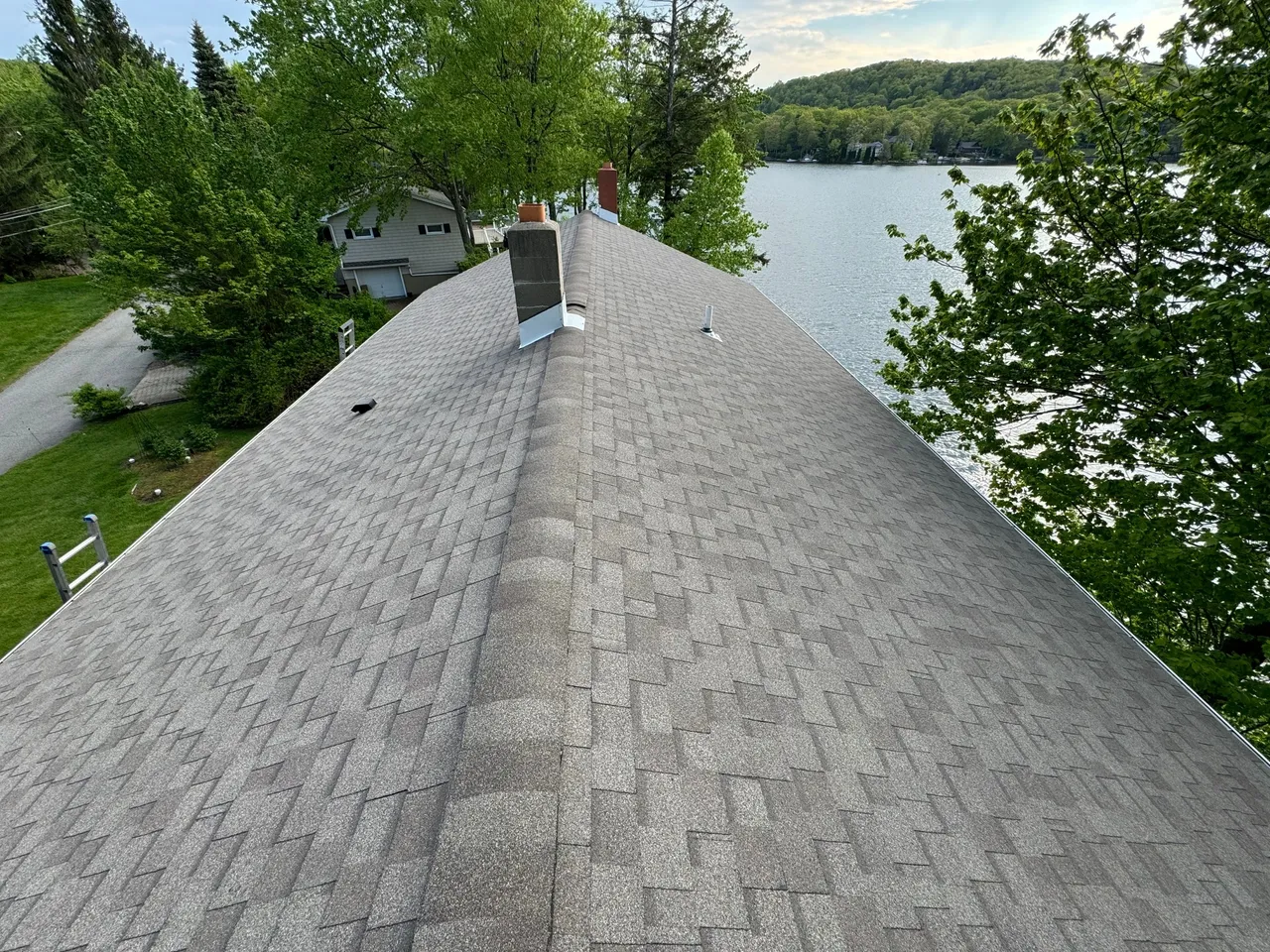
A roof replacement feels straightforward until the paperwork starts. Homeowners in Succasunna often begin with the visible part of the project, shingle color, timing, contractor estimates, maybe whether to upgrade ventilation while the roof is open. Then someone mentions permits, inspections, and code requirements, and the whole job suddenly seems more complicated than expected.
That complication is not a bad thing. A permit is one of the few checkpoints built into the process that protects the homeowner as much as the town. When a roof is replaced properly, with the right approvals and inspections, it reduces the chance of hidden shortcuts, insurance headaches, and problems when the house is sold later. It also gives everyone a clearer record of what was done, when it was done, and who did the work.
For anyone planning a Roof Replacement Succasunna, NJ project, permits are not just background paperwork. They affect scheduling, cost, contractor selection, and how smoothly the entire job moves from estimate to final inspection.
Why permits matter more than many homeowners expect
A roof is a major building system. It is not just a layer of shingles keeping rain out. It is part of the home's structural performance, fire resistance, ventilation strategy, water management, and, in winter, snow load performance. In Morris County and the surrounding parts of North Jersey, those factors matter. Homes in this region see freeze and thaw cycles, wind driven rain, occasional severe storms, and winters that can expose weak flashing or ventilation mistakes very quickly.
Permits exist because roof replacement is not purely cosmetic. In many cases, what looks like a simple tear-off and re-roof can expose rotten decking, improper nailing from a prior installation, damaged flashing around chimneys, or attic ventilation setups that do not meet current standards. Once the old materials come off, code issues are easier to identify and harder to ignore.
There is also a practical side that homeowners feel later. If a roof replacement was done without a required permit, the problem may not show up until a home sale, refinance, insurance claim, or municipal record review. I have seen people save a few hundred dollars up front, then spend much more later trying to document a job that should have been permitted from the start. At that point, the original roofer may be gone, receipts may be incomplete, and the municipality may require retroactive steps that are far more tedious than doing it correctly at the beginning.
The basic permit question in Succasunna
Succasunna is part of Roxbury Township, so homeowners should think in terms of local township requirements along with New Jersey building code rules. Permit requirements can vary based on the exact scope of the work, even when two neighbors both say they are "getting a new roof."
That distinction matters. A true replacement involving removal of old roofing materials and installation of a new roof system often falls under permit requirements. Work that goes beyond shingles, such as replacing decking, modifying structural components, changing ventilation, or dealing with skylights and chimney flashing, may bring additional review or inspection considerations. If there is storm damage and insurance is involved, that adds another layer of documentation.
The safest assumption is simple: ask before the contract is signed, not after the dumpster arrives. A reliable roofing contractor working regularly in the area should already know how local permitting typically works and should be able to explain whether the project requires a permit, who pulls it, what is included, and what inspections are likely.
Homeowners should be wary when the answer sounds too casual. If a contractor says permits are "not necessary" without asking any real questions about the project, that is a red flag. Good roofers do not brush past paperwork. They know that paperwork is part of doing the job professionally.
What a permit usually covers, and what it does not
A permit is not a guarantee of craftsmanship. It does not replace a contractor's reputation, warranty, or field supervision. What it does is establish that the work falls within the legal framework for construction and that the municipality has an opportunity to verify certain elements of compliance.
For a roof replacement, permit review may involve the roofing assembly, underlayment, flashing details, fastening methods, ventilation, and the condition or replacement of roof sheathing if it becomes necessary. The exact inspection points can vary by project. Sometimes the process is simple and moves quickly. Sometimes uncovered damage expands the scope after the tear-off, which can require updated communication with the township or supplemental documentation.
The permit also creates a record. That may not feel important on the first day of the job, but it becomes important years later when a buyer asks for proof of the roof's age, a home inspector notes that the roof appears newer than the records show, or an insurance carrier wants to confirm that a major system was replaced properly.
Who should pull the permit?
In most cases, the contractor handling the roof replacement should pull the permit. That sounds obvious, but some homeowners are asked to do it themselves, often under the explanation that it is "faster" or "easier." Sometimes that is harmless. Sometimes it is a way for an unqualified or underinsured contractor to stay out of the official record.
When the contractor pulls the permit, their business information is tied to the job. That creates accountability. It also usually means they are taking responsibility for providing the documents, coordinating inspections, and addressing issues if the inspector flags something.
If a homeowner is asked to pull the permit personally, it is worth pausing and asking why. There are legitimate cases where Roof Replacement Succasunna, NJ an owner pulls permits, especially on broader renovation work, but for a standard roof replacement performed by a professional roofer, the cleaner arrangement is usually contractor-led permitting.
Here are a few questions worth asking before any contract is signed:
- Will your company pull the permit for this roof replacement?
- Is the permit cost included in the written estimate?
- What inspections should I expect during or after the job?
- If damaged decking or ventilation issues are discovered, how is that handled with the township?
- Will I receive copies of the permit and final approval records?
Those five questions do a lot of work. They flush out whether the contractor is organized, whether pricing is transparent, and whether the homeowner will be left chasing documents later.
What homeowners usually need to provide
Most of the paperwork burden should sit with the contractor, but homeowners are rarely completely hands-off. Depending on the municipality and the exact nature of the work, the property owner may need to sign permit applications, confirm ownership details, or provide prior approvals if other work is tied into the roof project.
The process tends to go more smoothly when the homeowner can quickly supply basic property information and respond to township requests without delay. If the property is in a homeowners association, additional approval may be needed for color changes or visible material changes, even if the township permit itself is straightforward. That is not a municipal permit issue, but it can affect timing just the same.
Another common snag involves solar panels. If the home has a solar array mounted on the roof, the replacement becomes a coordination project. The roof permit is one part of the puzzle, but detaching and reinstalling solar equipment may involve other contractors, scheduling issues, and extra inspection points. Homeowners sometimes underestimate how much lead time that adds.
How permit timing affects the job calendar
One of the biggest misconceptions about a Roof Replacement Succasunna, NJ project is that once the estimate is accepted, the crew can start almost immediately. Sometimes that happens during slower periods, but not always. Permit processing time, material ordering, crew availability, weather, and inspection scheduling all influence the start date.
Roofers who know the area usually build permit timing into the schedule from the beginning. Less organized contractors may promise a fast start to win the job, then quietly push the project back once permit logistics catch up with them. That is frustrating for homeowners, especially if they are planning around vacations, tenant turnover, or an insurance deadline.
There is a practical reason not to rush the paperwork. A one-day roofing crew can remove and replace a roof quickly, but permits and inspections do not always move at the same pace as installation. If something in the permit file is incomplete, or if additional repairs are uncovered after tear-off, the "fast" job can suddenly stall.
A better approach is to think in phases. First comes the estimate and scope review. Then permitting and any required approvals. Then material delivery and scheduling. Then installation. Then final inspection and closeout. That sequence is less dramatic, but it is how well-run jobs stay out of trouble.
Hidden conditions that can change permit conversations
Roof replacement is one of those trades where the real story often appears only after the old roof is removed. From the yard, a roof may look tired but ordinary. Once the shingles and underlayment come off, the crew may find soft decking near eaves, staining around plumbing Roof Replacement Succasunna, NJ Royalty Exteriors penetrations, chimney flashing that was never stepped correctly, or attic venting that was pieced together over multiple past repairs.
This is where experienced judgment matters. A contractor who has worked through these situations will not panic or improvise recklessly. They will document what was found, explain whether the issue changes the scope, and clarify whether additional permit communication is needed.
Structural issues are the clearest example. If replacing the roof leads to repairing sheathing only, that is one level of correction. If framing concerns appear, such as sagging sections or damaged rafters, that can move the project into a different category of review. Most roofs do not turn into structural rebuilds, but homeowners should know that hidden conditions can shift both cost and paperwork.
That does not mean permits are a problem. It means permits give the project a framework for dealing with these discoveries properly instead of hiding them under new shingles.
Insurance claims and municipal permits are not the same thing
Storm damage creates confusion because homeowners often assume that if insurance approves the work, the permit issue is settled. It is not. Insurance scope and municipal permitting are separate processes.
An insurance carrier may approve replacement of shingles, underlayment, flashing, and related items based on observed damage. The township still has its own rules about what work requires a permit and inspection. One does not cancel out the other.
This distinction becomes important when timelines get tight. Insurance companies may set deadlines for claim completion. Contractors may be trying to fit storm work into an already busy season. Homeowners can feel pressure to get the roof done quickly and treat the permit as an afterthought. That is exactly when mistakes happen.
A good contractor helps bridge the gap by coordinating the insurance scope with the real field conditions and the local permit requirements. If the approved insurance scope is too thin to address code-related needs uncovered during the project, the homeowner should know that early, not after the invoices are issued.
Selling the home later
Permit records tend to become important at the least convenient time, usually when a buyer is already under contract and asking detailed questions. A roof replacement is a major selling point, but only if it can be documented clearly. If the seller says the roof is three years old and the municipal file shows no permit, buyers often wonder what else was done off the books.
Sometimes the issue can be explained. Perhaps the roof repair was minor and no permit was required. Perhaps records are available through invoices and warranty documents. But if it was a full replacement that should have been permitted, uncertainty starts to affect negotiations. Buyers may ask for credits. Their attorney may ask for more documentation. Their inspector may note the discrepancy in the report.
That is why final closeout matters. Homeowners should not just keep the contract and warranty. They should keep permit copies, inspection approvals, and any change orders showing work such as plywood replacement or ventilation upgrades. Those papers form the cleanest story later.
The contractor side of the equation
Permits are also a strong filter for contractor quality. Roofers who operate professionally tend to handle permits as a normal part of the business. They price them, file them, and schedule around them. Roofers who resist permits often resist them for a reason, and it is rarely one that benefits the homeowner.
There are a few signs that a roofing company is likely to manage this part well:
- The estimate clearly states whether permit fees are included.
- The company can explain local inspection steps without sounding vague.
- The contract addresses possible decking replacement or other uncovered repairs.
- Insurance, licensing, and contact details are easy to verify.
- They are willing to provide permit and closeout documents for your records.
Those are not flashy selling points, but they usually matter more than a polished sales pitch. A roof replacement is part craft, part logistics, part compliance. The best companies handle all three.
Cost questions homeowners should expect
Permits do affect cost, although usually not as dramatically as people fear. The permit fee itself is often a relatively small piece of the overall roof replacement budget. What tends to move the price more is the work that comes with code compliance or field conditions uncovered during the project.
For example, if the roof requires additional ventilation work to meet current standards, that has a labor and material cost. If sheets of decking need to be replaced because they are no longer sound, that cost is real whether there is a permit or not. The difference is that a permitted job makes it much harder for those issues to be ignored or covered up.
That can actually save money over time. A homeowner who avoids permit-related corrections today may end up paying for premature shingle failure, interior water damage, mold in the attic, or a reduced sale price later. The short-term savings often vanish.
When reviewing proposals, it helps to separate three categories in your mind. First is the base roof replacement price. Second is the permit and administrative cost. Third is the allowance for unknowns such as rotten decking. If those categories are explained clearly, the estimate is usually more trustworthy.
A realistic way to prepare for the project
Homeowners do not need to become permit experts, but they do need to stay engaged enough to avoid surprises. The smoothest projects usually happen when expectations are clear before materials arrive.
Start by asking exactly what the contractor believes the township will require for your specific roof. Ask who is filing, what documents you will receive, and what could change if hidden damage is found. If your home has skylights, solar panels, a chimney that has leaked before, or an older attic ventilation setup, mention it early. Those details often affect the scope more than homeowners realize.
It also helps to keep a project folder, digital or paper, with the estimate, contract, permit copy, material selections, warranty information, change orders, and final inspection record. That sounds like small administrative work, but it pays off later. A roof replacement is one of the larger investments most homeowners make in the exterior of the house. The documentation should reflect that.
Where caution is warranted
Not every complication means something is wrong, but a few situations should slow a homeowner down. If the contractor wants a large deposit before permit questions are answered, be careful. If the estimate is far below competing bids and the permit line is missing entirely, ask why. If the contractor promises to "save you money" by skipping township involvement, that is usually not savings, it is risk transferred onto the homeowner.
There is also a timing issue worth noting in northern New Jersey. Busy roofing seasons can compress decision-making. After major storms, demand surges and homeowners understandably want leaks handled fast. Emergency tarping and temporary protection may happen first, with permit-backed replacement following after. That is normal. What is not normal is treating the temporary urgency as an excuse to bypass the proper process for the full replacement.
The practical takeaway for Succasunna homeowners
If you are planning a Roof Replacement Succasunna, NJ project, think of permits as part of the roofing job itself, not a side issue. The permit affects who you hire, how the work is documented, what inspections occur, and how confidently you can stand behind the finished roof years from now.
Most homeowners do not remember the exact permit fee after the project is done. They do remember whether the job felt organized, whether surprises were explained honestly, and whether the final paperwork was complete. Those details say a lot about the contractor and even more about the durability of the investment.
A roof replacement done with proper permits is not just a compliant project. It is usually a better managed one. That matters when the next heavy rain comes through Roxbury, when the house goes on the market, and when you simply want the peace of mind that the work over your head was handled the right way.
Royalty Exteriors
151 NJ-10 Suite 103A, Succasunna, NJ 07876, United States
+1 973-333-7234
FAQ About Roof Replacement Succasunna, NJ
What are signs a roof needs replacing?
Widespread shingle deterioration, repeated leaks, or damaged decking can point to a larger problem. A roofer can inspect the roof covering, flashing, and deck to determine whether the damage is localized or whether replacement makes more sense.
How long does it take to reroof a 2000 square foot house?
Royalty Exteriors estimates one to three days for many single-family roof replacements. A house’s floor area does not tell you the actual roof area. Pitch, roof features, weather, and any decking repairs can change the schedule.
How long should a roof last in NJ?
There is no single lifespan for every roof. Material, installation quality, attic ventilation, maintenance, and exposure to storms all affect how long a roof remains serviceable. An inspection can help you assess its condition and plan for replacement.